


4
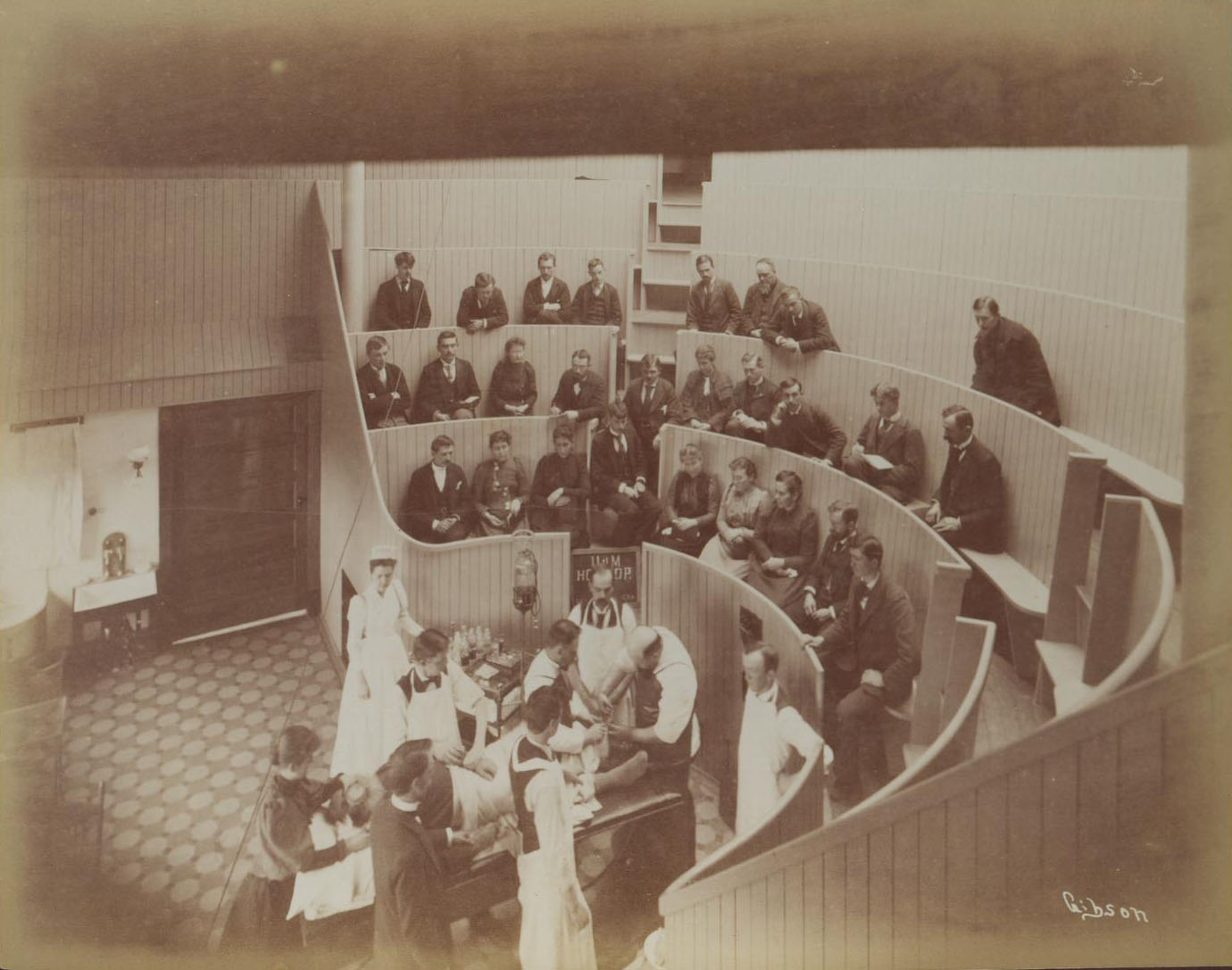
Image: Surgery and anatomy class, U-M Medical School, circa 1893. Photo credit: U-M Medical School records collection, Bentley Historical Library.
The Early Years
1850–1956
Founded in 1817, the University of Michigan established various health sciences schools and colleges during its first century, including the Medical School, School of Dentistry, College of Pharmacy, and the roots of the School of Public Health and School of Nursing. In 1869, U-M became the first U.S. university to own and operate its own hospital, and was one of the first major medical schools to teach science-based medicine. Near the end of the 19th Century, research started to become central to the university’s mission, and U-M continues that tradition of excellence to this day.
1960
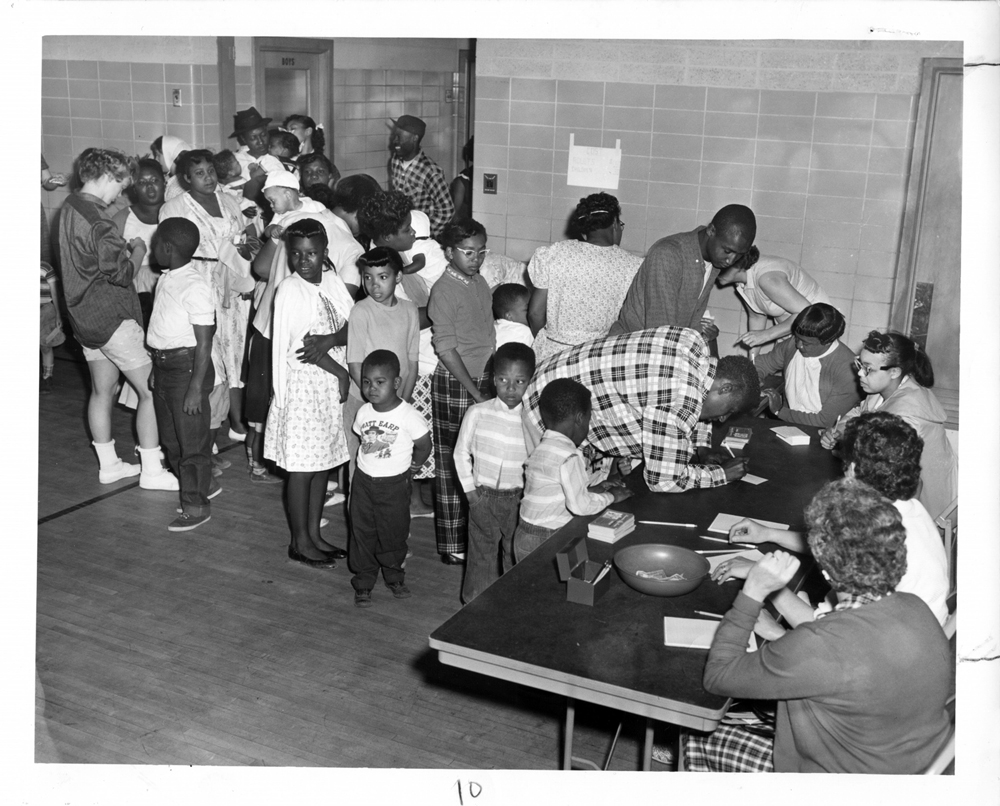
Image: Polio clinic sponsored by the Urban League of Greater Muskegon. Photo credit: Bentley Historical Library / Urban League of Greater Michigan Records.
The Formative Years
1960–1985
The 1960s saw the beginnings of significant changes in the American healthcare system. The period was marked by the rapid expansion of social programs, including the establishment of Medicare and Medicaid in 1965, and the concomitant blossoming of social sciences and federal support for this research. HSR came into greater prominence as a field over the next 50 years, helped by various shifts in healthcare financing that incentivized interdisciplinary research on how healthcare was organized, delivered, and paid for.
1985
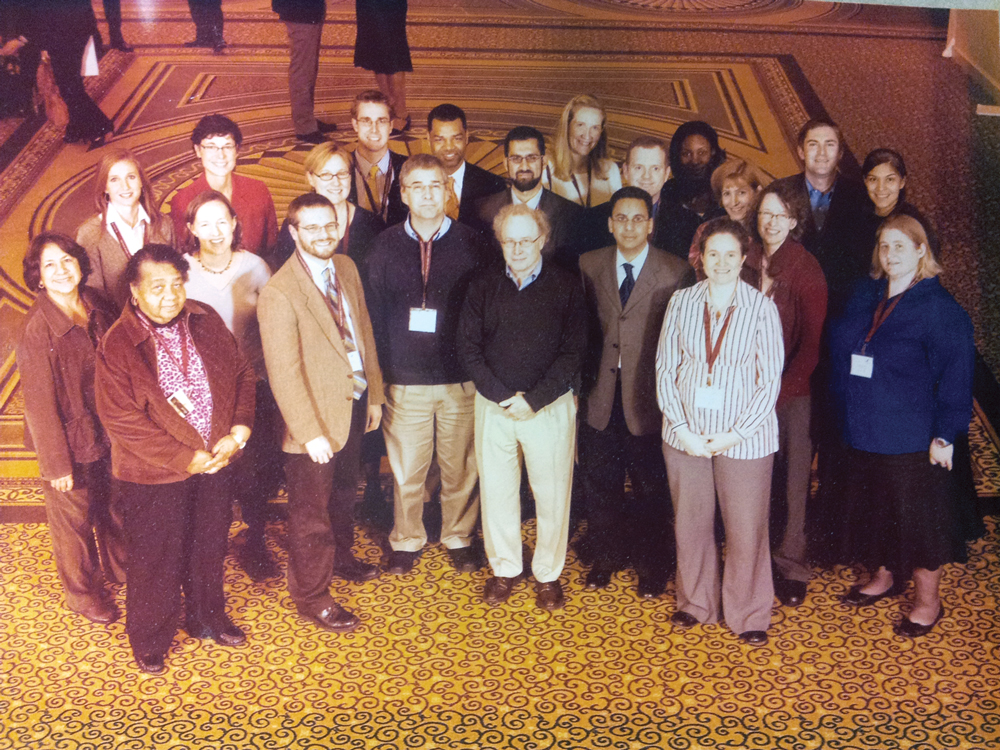
Photo: U-M RWJF Clinical Scholars and program faculty, 2009. Credit: RWJF Clinical Scholars Program.
Health Services Research Comes of Age
1986-2010
Interdisciplinary collaborations flourish in health services research, as investigators organize themselves and develop new partnerships around pressing questions related to healthcare quality, costs, access, and equity. Beginning in the 1990s, U-M’s own health system developed and implemented innovative health programs with high intensity medical and disease management (first used in pilot insurance products with Ford and General Motors—Partnership Health and ActiveCare), and many of these are still used in UMHS initiatives.
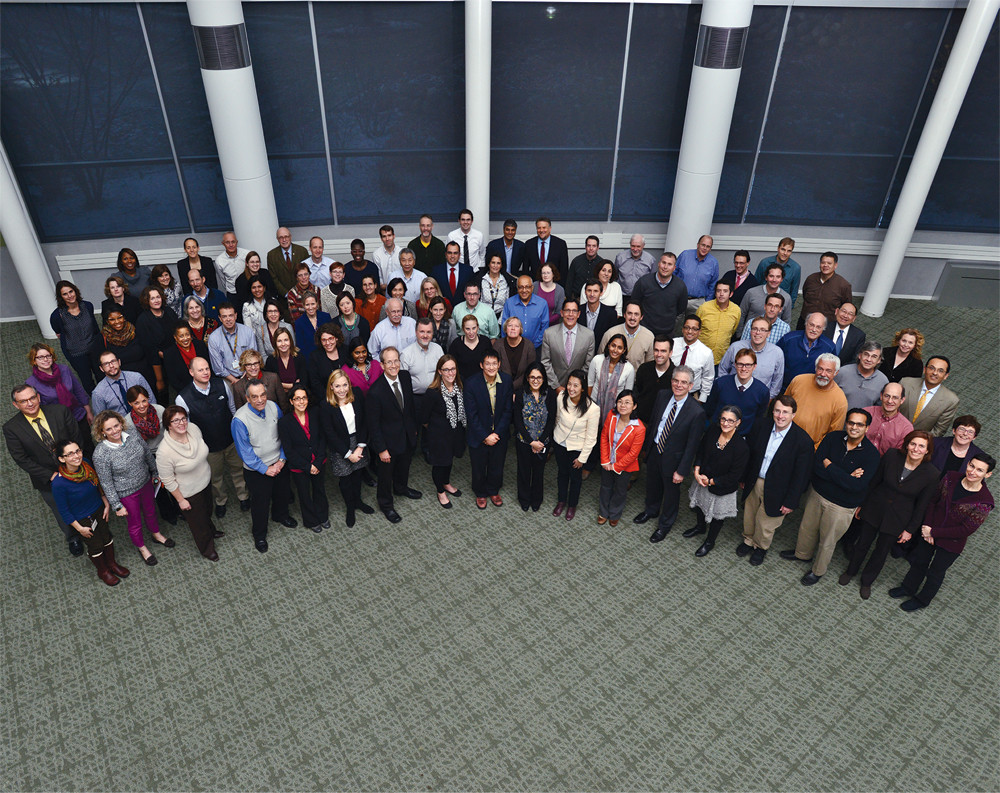
IHPI members gather at the 2014 annual forum.
Looking Toward the Future
2011 and beyond
The early 21st century has seen previously unprecedented challenges and opportunities for the U.S. healthcare system. Recognizing the tremendous potential for providing a common home for the many rich veins of ongoing research, programs, and partnerships at U-M at a most critical time for healthcare in the U.S., the U-M Regents approved the creation of the Institute for Healthcare Policy & Innovation (IHPI) in 2011. This milestone paralleled the proliferation of large healthcare data sets, a continued focus on healthcare accessibility, safety, affordability, effectiveness, cost-transparency, patient-centered care, and an ever-growing demand for translating health services research to inform public policy.